
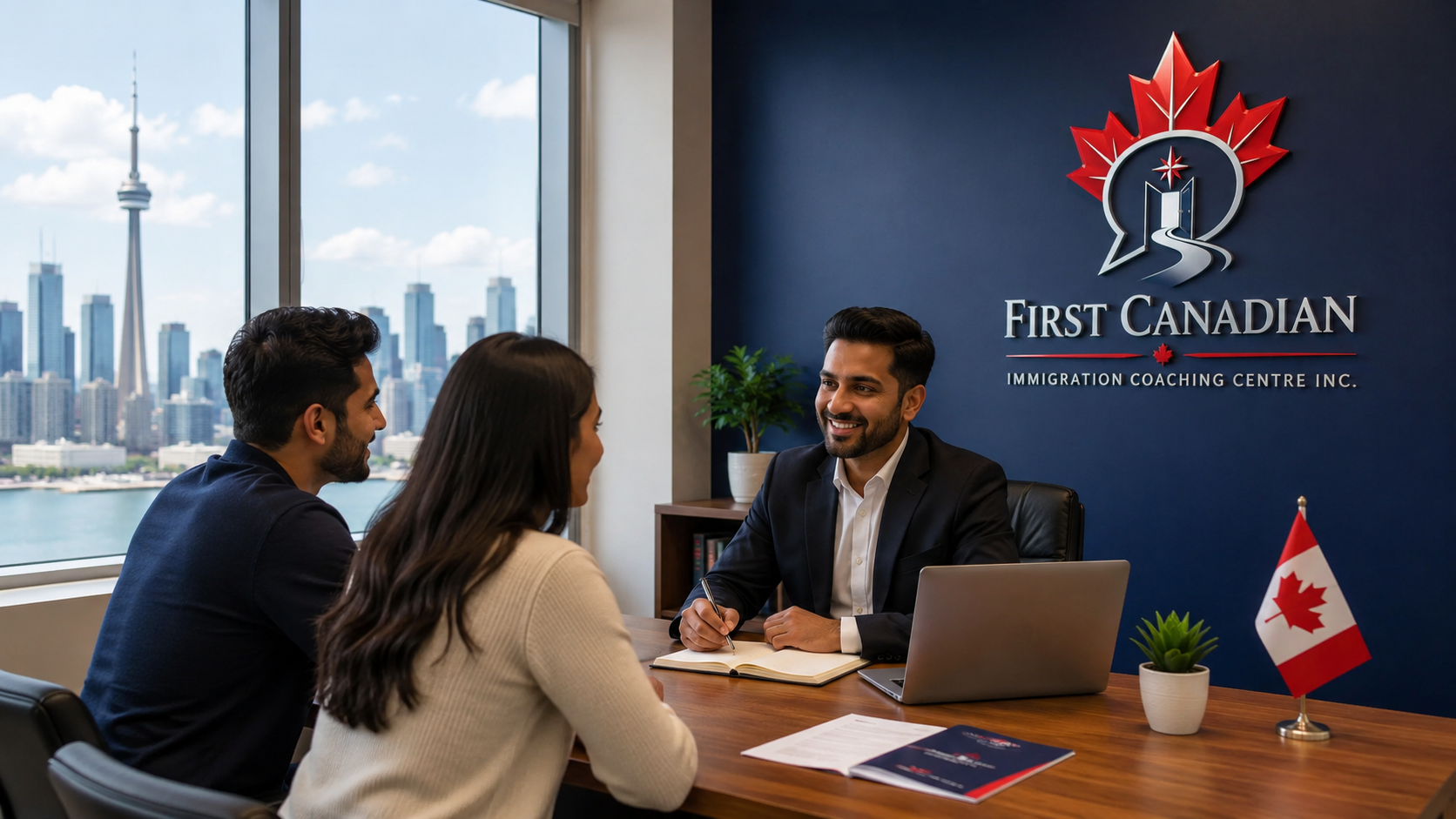
The purpose of FCICC — First Canadian Immigration Coaching Center, established by Behzad Nekouei, RCIC — Regulated Canadian Immigration Consultant, is to introduce the concept, language, and professional framework of Immigration Coaching to the immigration and coaching communities.
FCICC was created with the belief that immigration is one of the most important human transitions of modern life. Every year, millions of people around the world face the decision to leave one country and begin again in another. This decision affects not only legal status, but also identity, family relationships, emotional stability, financial planning, career direction, cultural adaptation, and long-term happiness.
For this reason, FCICC believes that the world needs a more structured and human-centered approach to migration support.
Vision of FCICC
The vision of FCICC is to help Immigration Coaching become a recognized professional field within the global immigration and coaching ecosystem.
FCICC aims to be a voice that brings this message to the broader coaching community: migration is not only a legal or administrative process. It is a major human life transition that deserves specialized coaching attention, professional education, and structured training.
Just as the world has developed business coaches, career coaches, executive coaches, life coaches, and wellness coaches, FCICC believes there is a growing need for professionally trained Immigration Coaches.
The long-term vision is to encourage coaching organizations, immigration professionals, educators, and settlement communities to recognize Immigration Coaching as a necessary support system for people before, during, and after migration.
This vision is not limited to one country. It is connected to the future of global mobility and the future of human migration.
Mission of FCICC
The mission of FCICC is to introduce, develop, and promote Immigration Coaching as a professional model that supports immigrants, future immigrants, and host societies.
FCICC works to explain why immigration applicants need more than legal information. They also need guidance to understand their readiness, expectations, risks, strengths, fears, family situation, financial reality, and long-term goals.
The mission of FCICC is to help create a future where Immigration Coaches can work alongside immigration consultants, immigration lawyers, settlement professionals, educators, and community organizations.
Each professional has a different role.
Immigration consultants and immigration lawyers focus on legal eligibility, applications, documents, regulations, and immigration law.
Immigration Coaches focus on the human side of migration: decision-making, readiness, emotional preparation, family impact, career transition, cultural adaptation, and long-term settlement success.
Together, these roles can create a stronger support system for people who are preparing to migrate or rebuilding their lives after arrival.

A Professional Voice for Immigration Coaching
One of the main goals of FCICC is to give Immigration Coaching a clear professional identity.
Many future immigrants are not only asking, “Which visa should I apply for?” They are also asking deeper questions:
“Is immigration right for me?”
“Is my family ready?”
“Which country truly fits my future?”
“What will happen after I arrive?”
“How can I protect my emotional, financial, and family stability?”
“How can I become successful in a new society?”
These questions require more than general advice. They require a structured coaching method designed specifically for the migration journey.
FCICC was created to build and explain this method.
The FCICC Method
The FCICC method is based on three stages of immigration support:
1. Pre-Immigration Coaching
This stage helps individuals and families before they make a final immigration decision. It focuses on clarity, readiness, destination selection, pathway awareness, family preparation, financial planning, emotional strength, and realistic expectations.
The goal is to help people avoid rushed, fear-based, or unrealistic immigration decisions.
2. Immigration Process Coaching
This stage supports applicants while they are going through the immigration process. It helps them manage uncertainty, pressure, waiting periods, family stress, changing plans, and emotional challenges.
The goal is to help applicants remain realistic, organized, and mentally prepared while they move through the process.
3. Post-Immigration Coaching
This stage supports newcomers after arrival. It focuses on adaptation, confidence, career rebuilding, family adjustment, cultural understanding, personal stability, and long-term success in the destination country.
The goal is not only to help people arrive, but to help them build a meaningful and stable life after arrival.

Building the Future of Immigration Coaching
FCICC believes that Immigration Coaching can become a model for developing a new generation of professionals around the world.
These professionals can help immigrants make better decisions, reduce avoidable challenges, prepare more realistically, and contribute more positively to their new countries.
The goal is not to replace immigration consultants or immigration lawyers. The goal is to complete the support system around the immigrant.
In the future, FCICC hopes to inspire training programs, workshops, coaching classes, professional discussions, and educational models that prepare Immigration Coaches to serve people responsibly and ethically.
This can help create a smarter migration system where immigrants are better prepared, host countries receive more informed newcomers, and communities benefit from stronger integration.
The Human Purpose Behind FCICC
At its core, FCICC was created to serve one human purpose:
To help people migrate with more awareness, more preparation, and fewer avoidable human challenges.
Immigration should not be guided only by fear, pressure, advertising, or unrealistic dreams. It should be guided by truth, planning, readiness, and responsibility.
The mission of FCICC is to help bring this perspective into the global conversation.
Because successful immigration is not only about crossing a border.
It is about choosing the right path, preparing for the future, protecting the human being behind the file, and helping immigrants become stronger contributors to the societies they choose to join.